Google Drive Unable to Open File? 10 Fixes That Work
You may receive the Google Drive “Unable to open file at this time” prompt, in this article, we will introduce 10 solutions to this Google Drive files not opening issue.

by Richard Lasted Updated August 27, 2026


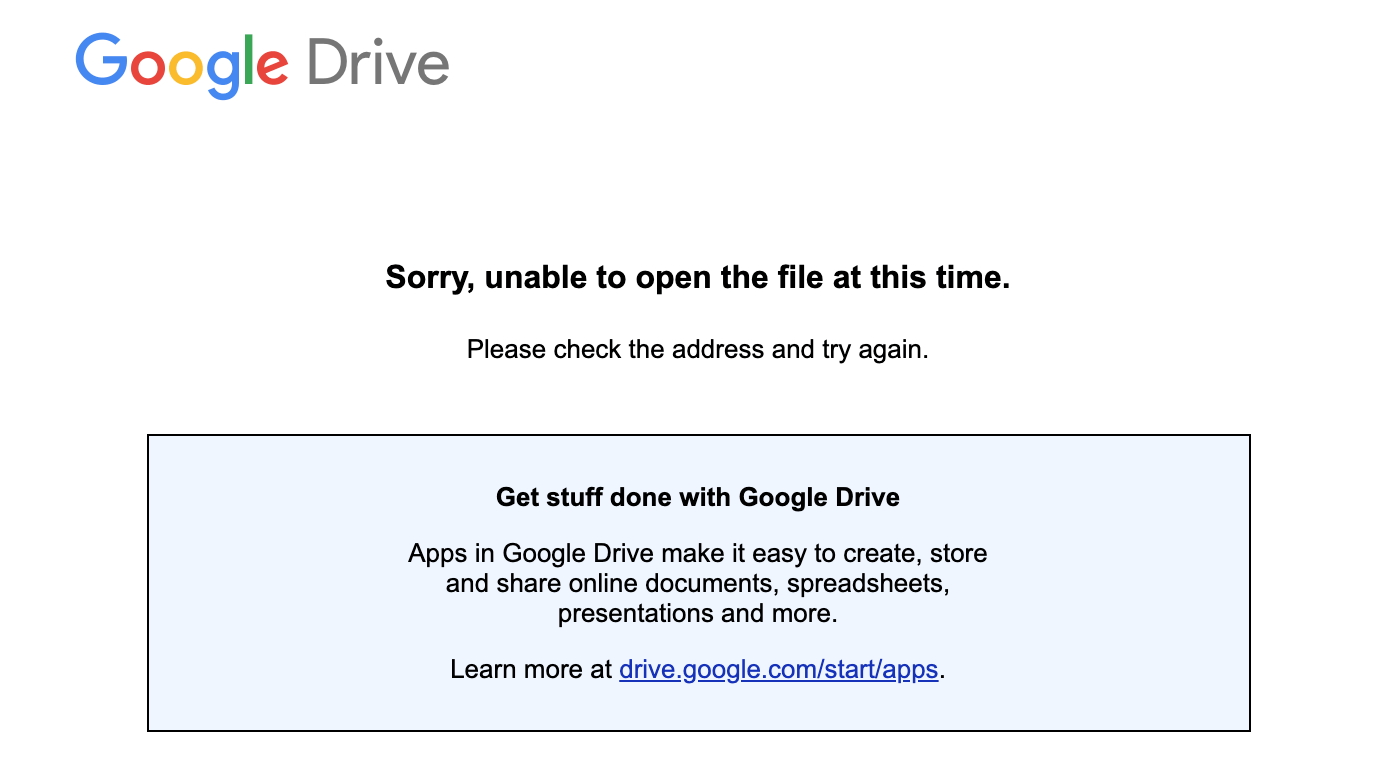
If Google Drive says “Unable to open file at this time,” check whether Drive is down, then confirm that you are signed in to the account that has access. If other files open, the issue is probably limited to that file, its permission, or its format. If no files open, focus on your connection, browser, extensions, or the Drive app.
This guide covers Google Drive files that will not open on the web, on Android, on iPhone, or in Drive for desktop.
Quick diagnosis: why won’t Google Drive open my file?
| What you see | Likely cause | Try first |
|---|---|---|
| “You need access” | Wrong account or missing permission | Switch accounts or request access |
| Many files will not open | Service, network, browser, or app issue | Check Google’s status dashboard |
| Only one file will not open | Permission, format, upload, or preview issue | Download it or use the matching app |
| It works in Incognito only | Cache or extension conflict | Clear Drive site data and test extensions |
| It works on the web but not on a phone | App or file-handler issue | Update Drive and the related app |
Google lists temporary service errors, weak connections, outdated browsers, cache issues, large files, and browser security settings as common causes. Account mix-ups are also common when several Google accounts are signed in.
How to fix Google Drive unable to open file
1. Check whether Google Drive is down
Open the official Google Workspace Status Dashboard. A service incident can stop many users from opening files. Google says a temporary 502 error usually resolves on its own, so wait a few minutes and retry. If no incident is listed, open another website and a second Drive file.
2. Use the right Google account and request access
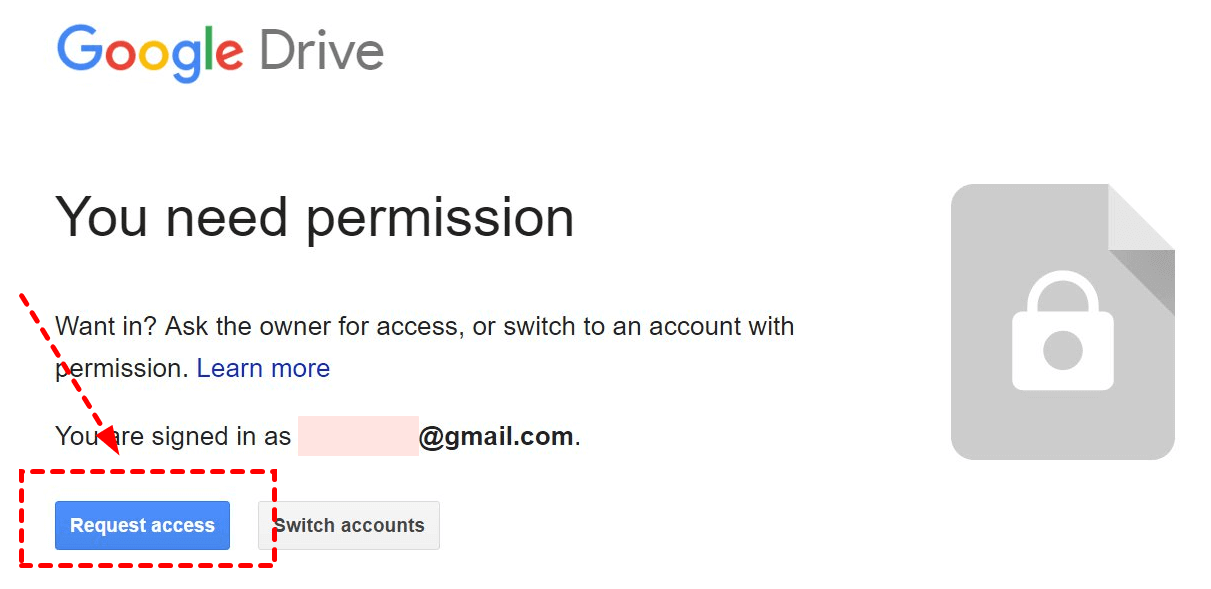
Having a file link does not automatically grant access. Check the profile picture in the upper-right corner and switch to the email address the owner shared the file with. A private window can help: open the link there and sign in with only the intended account.
If You need access appears, click Request access. Ask the owner to confirm that the file still exists and your exact email has Viewer, Commenter, or Editor access.
Work or school account? An administrator may restrict external sharing or some file types. Contact the Google Workspace administrator if the owner cannot grant access.
3. Test other files
Open two or three unrelated items from drive.google.com. If only one fails, ask the owner to make a copy or upload it again. The original may be incomplete, damaged, or in a format Drive cannot preview. If the item is a shortcut, confirm that its original still exists and is shared with you. If every file fails, continue below.
4. Check the connection
A weak or filtered connection can leave Drive stuck on “Trying to connect.” Switch between Wi-Fi and mobile data, restart the router, or try another trusted network. Temporarily disconnect a VPN, proxy, web filter, or security app and test again. Offline mode only helps with Docs, Sheets, and Slides files made available offline in advance.
5. Update or switch browsers
Google Drive supports the two most recent versions of major browsers. Update Chrome, Edge, Firefox, or Safari, ensure cookies and JavaScript are enabled, restart the browser, and retry. Avoid unsupported or discontinued browsers.
In Chrome, open Menu > Help > About Google Chrome. Chrome checks automatically; select Relaunch after the update.
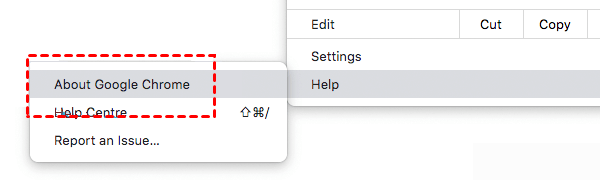
If the file opens in another current browser, the file is fine, and the original browser needs attention.
6. Clear Drive cookies and cache
Try a private or Incognito window. If the file opens, clear site data for Google Drive rather than erasing all browsing history. In Chrome, open Settings > Privacy and security > Third-party cookies > See all site data and permissions, search for drive.google.com, and delete its stored data. Sign in again.
Note: clearing cookies signs you out and removes local preferences; it does not delete cloud files.
7. Disable browser extensions
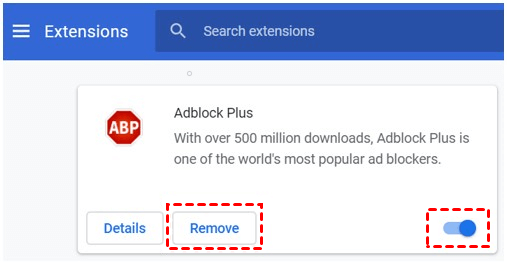
Ad blockers, privacy tools, download managers, script blockers, and security extensions can interfere with Drive. In Chrome, enter chrome://extensions, turn extensions off one at a time, and reload Drive. Re-enable unrelated extensions after testing.
8. Download the file or choose another app
Drive’s preview can fail even when the file is intact. Right-click it, choose Download, and open the copy with a compatible app. On mobile, use the three-dot menu and choose Open with or Send a copy.
A download failure is a different issue; see these fixes for when you cannot download a file from Google Drive. File limits vary by format and by whether you preview, convert, or edit, so check Google’s current file size guidance instead of applying one limit to every file.
9. Fix the mobile app
Update Google Drive and the relevant Docs, Sheets, or Slides app, force-close them, and restart the device.
Android: open Settings > Apps > Drive > Storage & cache > Clear cache. Avoid Clear storage unless you are ready to sign in and set up offline files again.
iPhone or iPad: offload or reinstall Drive if restarting fails. First confirm that pending uploads have finished.
10. Restart Drive for desktop
If a file opens at drive.google.com but not in File Explorer or Finder, select the Google Drive icon in the system tray or menu bar. Check for a sync error, resume syncing if paused, then choose Settings > Quit and reopen Drive. Confirm the file has finished syncing before opening it. Review unsynced local changes before reconnecting the account.
Keep important Drive files available with a second copy
Browser troubleshooting cannot protect against deletion, revoked sharing access, or a future outage. CBackup can back up accessible Google Drive files to another supported cloud, such as OneDrive or Dropbox. It cannot bypass permissions; the connected account must already be authorized to read the files.
Step 1. Create a CBackup account and sign in.
Step 2. Go to My Storage > Add Cloud, then connect Google Drive and the destination cloud.
Step 3. Open Backup Tasks > New Task.
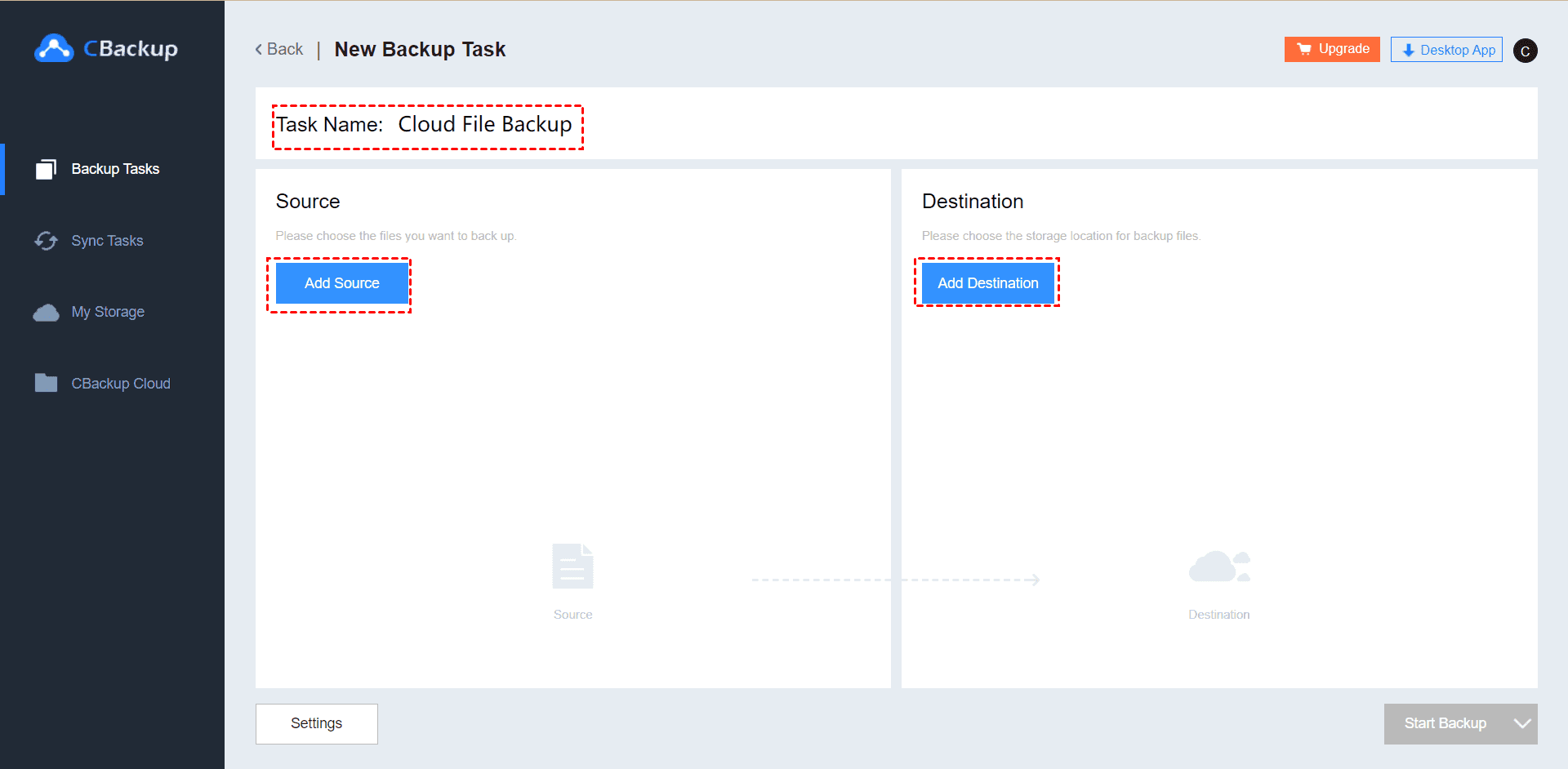
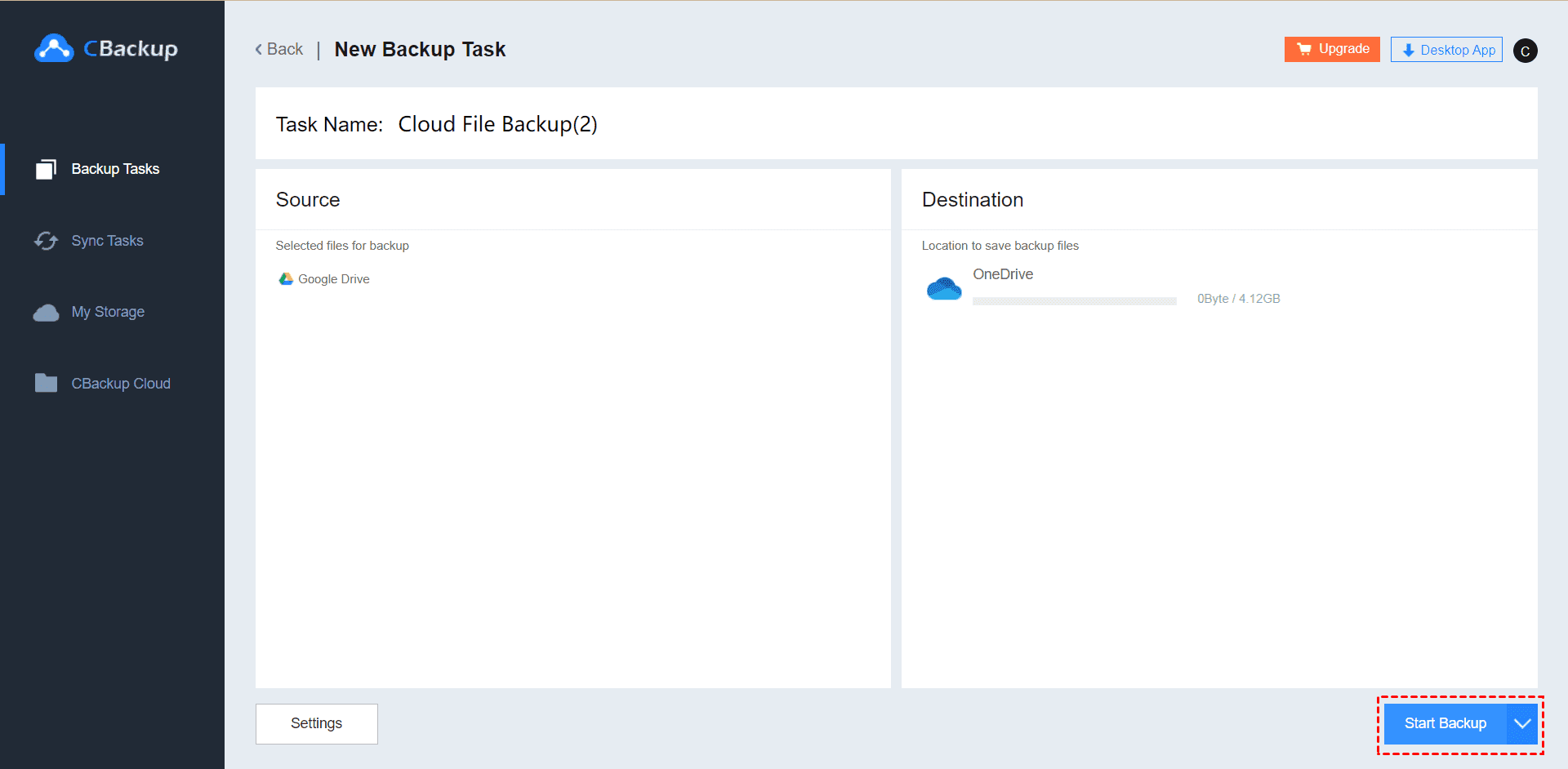
Step 4. Choose Google Drive as the source and another cloud as the destination.
Step 5. Select Start Backup, or add a schedule to keep the second copy current.
Frequently asked questions
Why does Google Drive say “Unable to open file at this time”?
Possible causes include a temporary Google service issue, poor connection, expired session, corrupted cache, extension conflict, or a problem with one file. Check the status dashboard and another file first.
Why can’t I open a shared Google Drive file?
You may be in the wrong account, the owner may have removed permission, or an organization may restrict external sharing so your Google Drive failed to retrieve permissions. Switch to the invited account or request access.
Will clearing the Google Drive cache delete my files?
No. Clearing browser cache or the Android app cache removes temporary local data, not cloud files. Clearing app storage or reinstalling may remove offline copies, so confirm uploads first.
Can I open a Drive file without permission?
No legitimate fix bypasses the owner’s access controls. Ask the owner to share it with your current email or request access. Backup tools also cannot copy content the connected account cannot read.
What to do next
If many files fail, check service status, connection, and browser first. If one file fails, focus on its permission, format, and original upload. Once access returns, consider keeping a scheduled copy of essential Drive data in another cloud.
Last updated: August 27, 2026. Google Drive menus and limits can change; links above point to Google’s current help pages.
Secure & Free