How to Move Files from Computer to Google Drive (3 Ways)
This article shows 3 methods of how to move files from computer to Google Drive, please click on it and learn the detailed steps for transferring files from PC to Google Drive.

by Richard Lasted Updated August 26, 2026


To move files from a computer to Google Drive, open drive.google.com, click New > File upload or Folder upload, and select the items you want to send. You can also drag files into the browser. For automatic or repeated transfers, use Drive for desktop or a scheduled cloud sync tool.
Choose the right way to transfer your files
The best method depends on how much data you have and whether this is a one-time upload or an ongoing task.
| Method | Best for | Automatic? | What happens to local files? |
|---|---|---|---|
| Google Drive website | A few files or a one-time folder upload | No | They stay on the computer |
| Drive for desktop | Folders that should remain in sync | Yes | Depends on the sync setting |
| CBackup | Scheduled sync or incremental backup on Windows | Yes | They stay unless you delete them |
Method 1. Upload files to Google Drive in a browser
This is the quickest option when you only need to transfer files once. It works on Windows and macOS and does not require an app.
Step 1. Sign in at Google Drive with the account that should own the uploaded files.
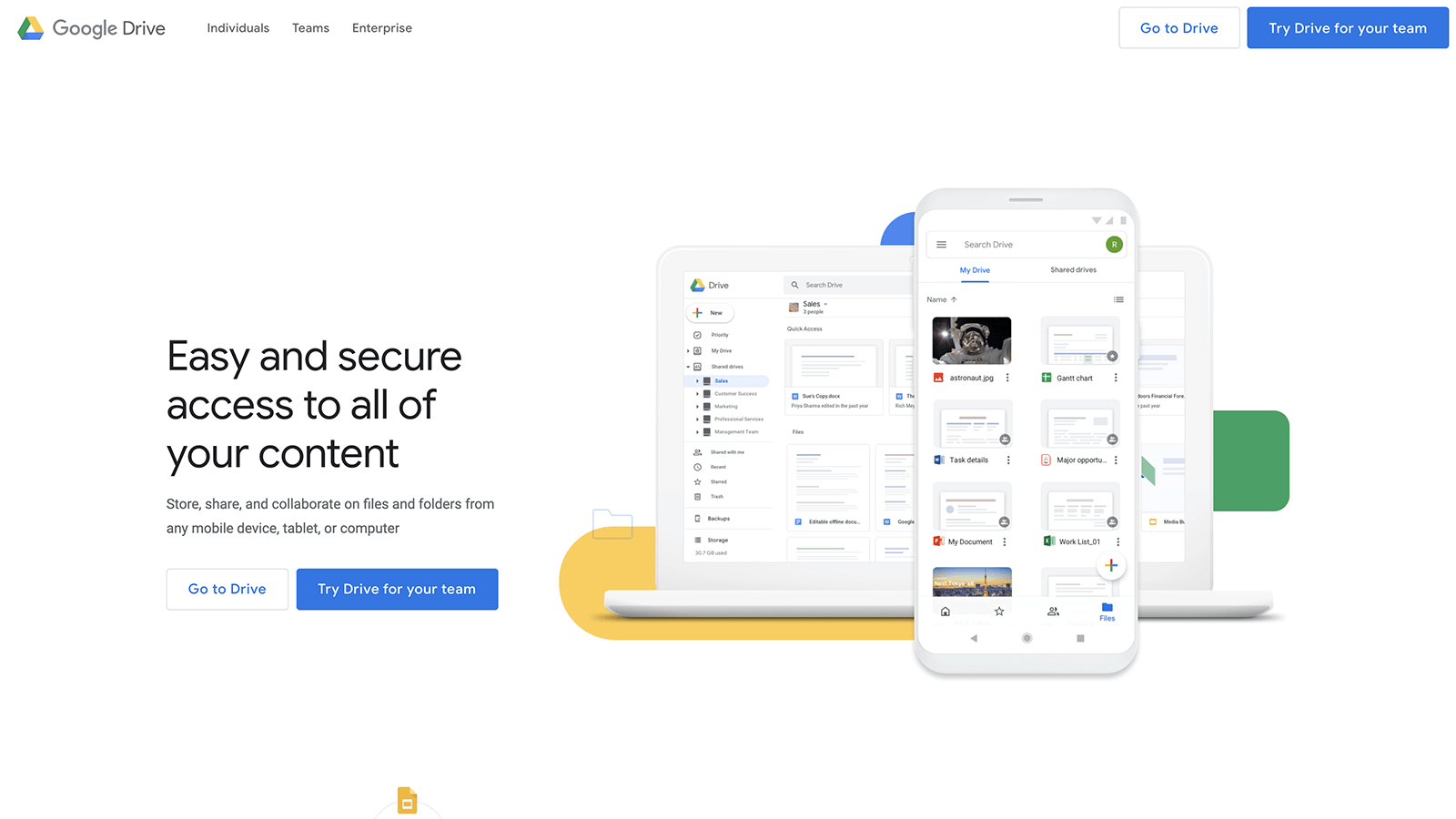
Step 2. Open the destination folder. Click New, then choose File upload or Folder upload. You can also drag files or folders from File Explorer or Finder directly into the Drive window.
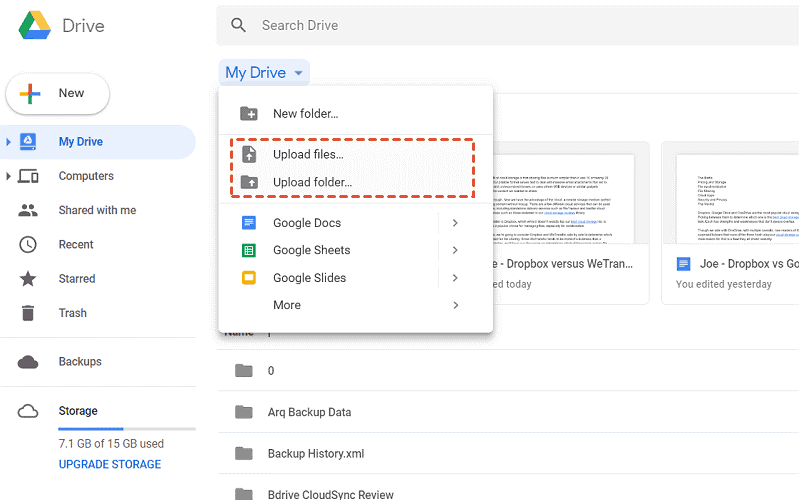
Step 3. Select the items and wait for the upload status to show that it is complete. Open one or two uploaded files to verify them before removing anything from the computer.
Method 2. Sync computer files with Drive for desktop
Drive for desktop is Google's official Windows and macOS app. It is a better fit when a folder should upload automatically as its contents change.
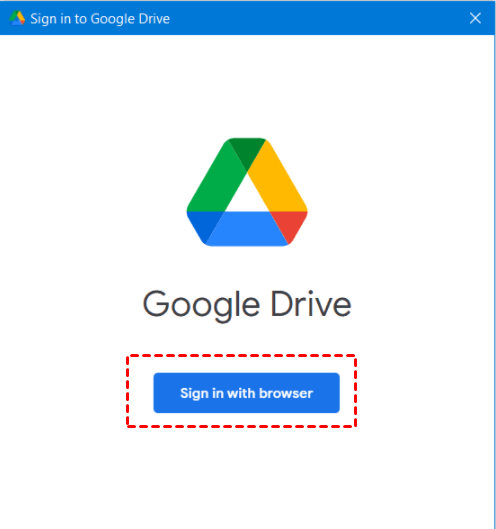
Step 1. Install Drive for desktop, open it, and sign in to the correct Google account.
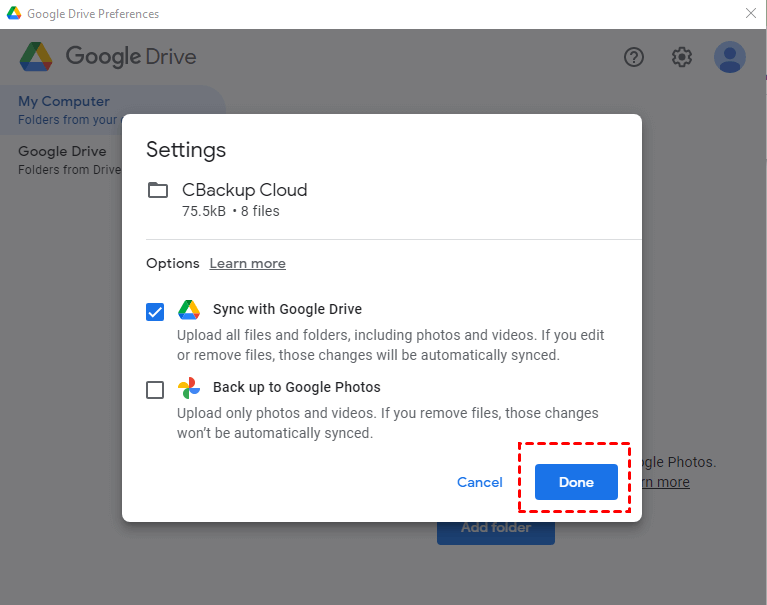
Step 2. Open Settings > Preferences. Under Folders from your computer, click Add folder, choose a local folder, and select Sync with Google Drive.
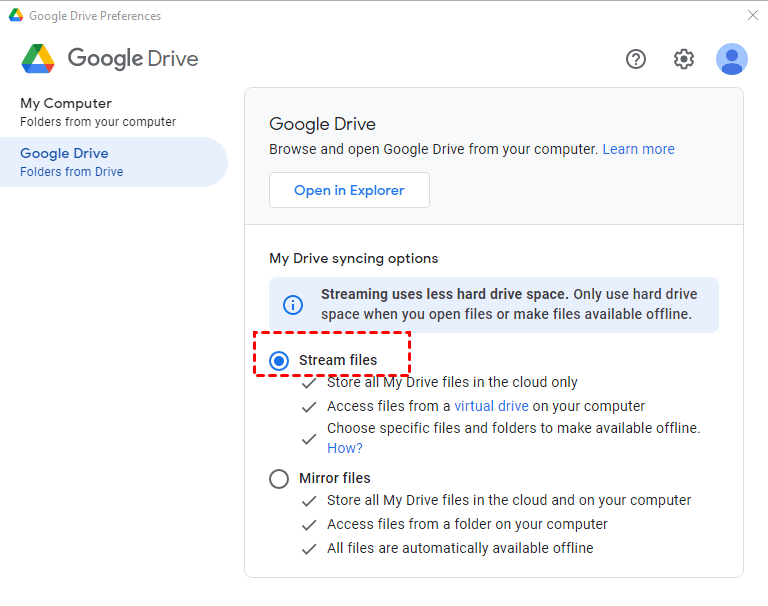
Step 3. Choose how files in My Drive appear on the computer:
- Stream files stores most file data in the cloud and downloads it when needed. This uses less local disk space.
- Mirror files keeps a full copy in both Google Drive and a local folder. This supports offline access but uses more disk space.
These settings apply to My Drive. A local folder added under Folders from your computer appears in the Computers section of Google Drive.
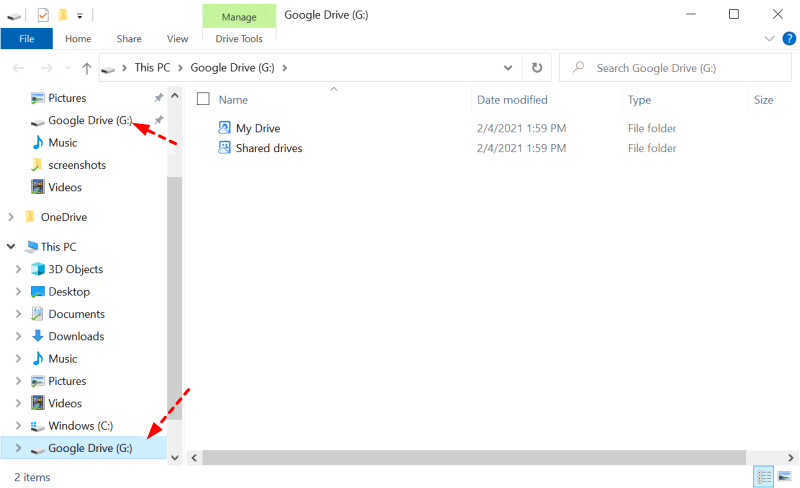
Step 4. Click Save. You can monitor sync from the Drive icon in the Windows system tray or macOS menu bar. You can also open the Google Drive location in File Explorer or Finder and copy files into My Drive.
Method 3. Schedule a PC-to-Google Drive transfer with CBackup Cloud
Drive for desktop covers everyday syncing. If you use Windows and need scheduled runs, file filters, or a choice between sync and incremental backup, CBackup Cloud provides those controls in one task.
Step 1. Install CBackup Cloud, create an account, and sign in.
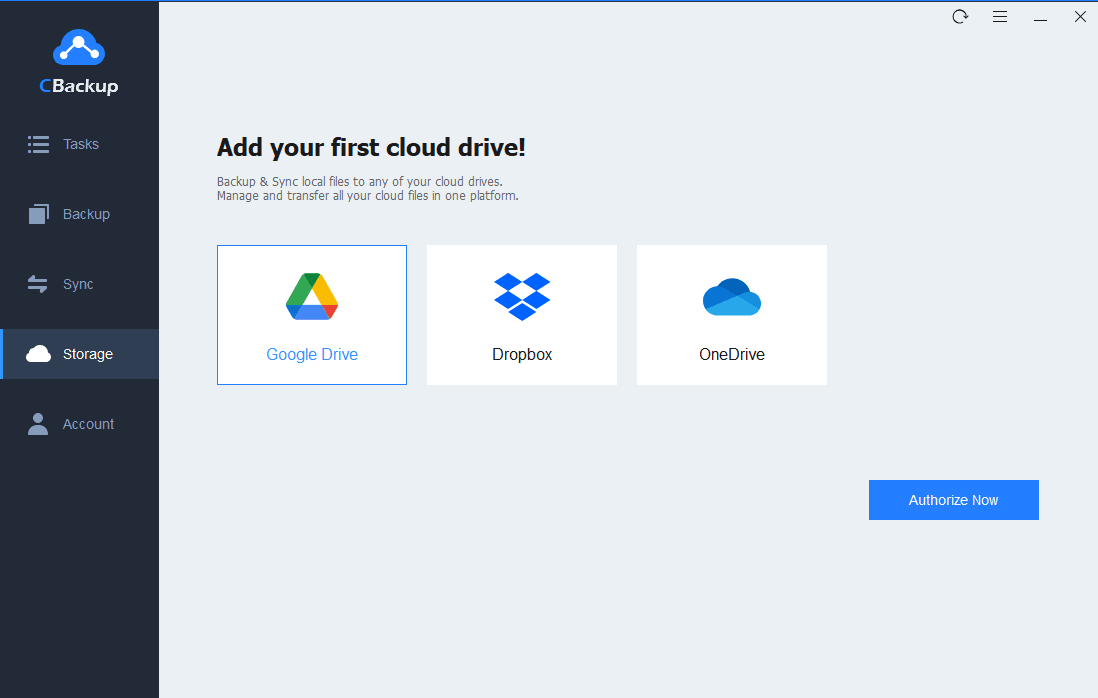
Step 2. Open Storage, select Google Drive, and click Authorize Now. Review the requested access before granting permission, and confirm that you are authorizing the intended Google account.
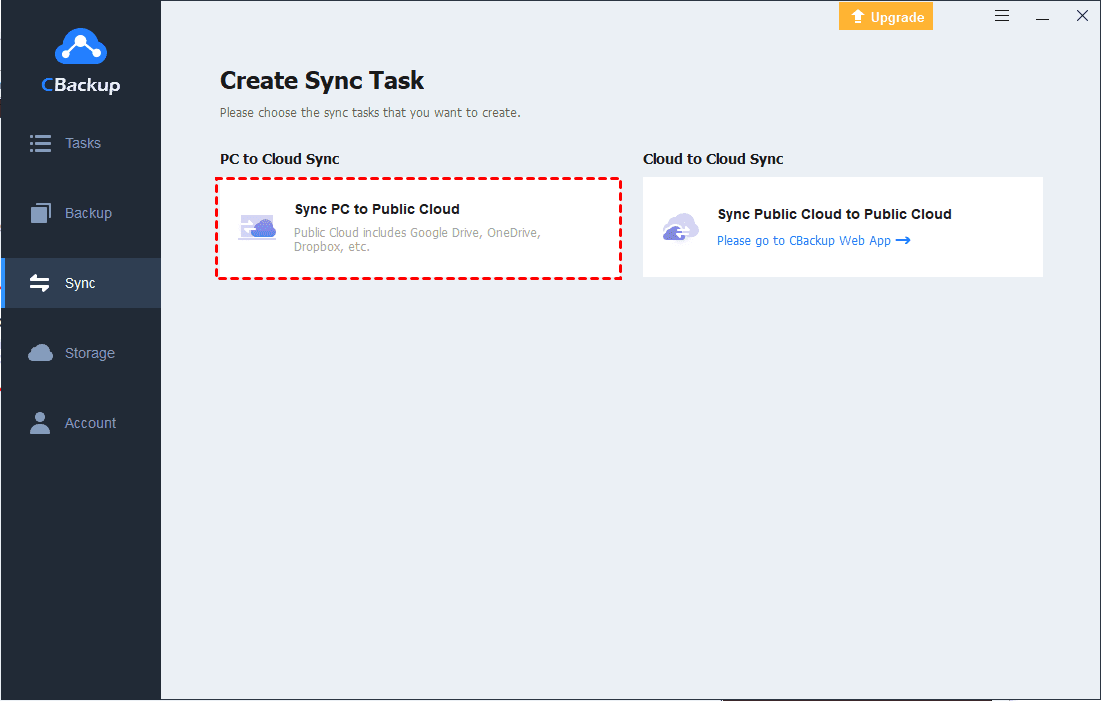
Step 3. Select Sync > Sync PC to Public Cloud. For a separate, restorable copy rather than a synchronized folder, choose Backup > Backup PC to Public Cloud.
Step 4. Choose the source folder on the computer and a folder in Google Drive as the destination. Check both paths carefully before continuing.
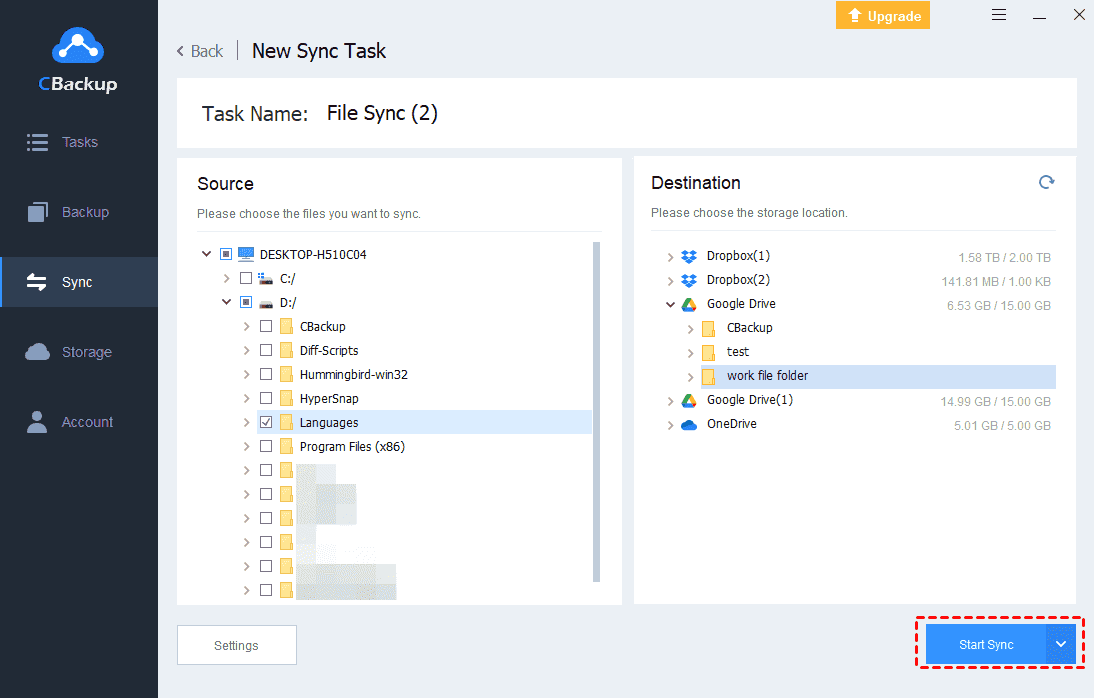
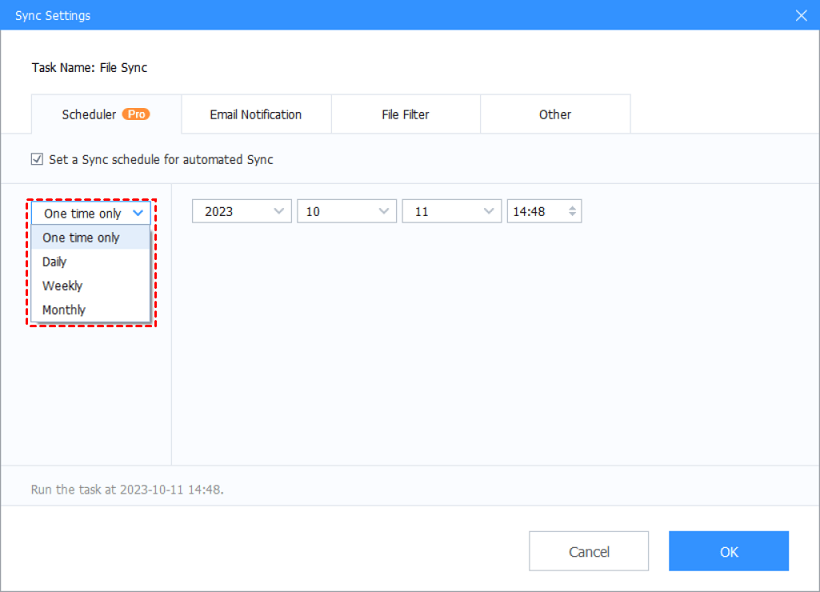
Step 5. Click Start Sync. To run the task automatically, open Settings and configure a schedule that suits how often the source files change.
Additional method. Transfer files to Google Drive with CBackup
CBackup for PC is another option for Windows users who want to sync selected computer folders to Google Drive on a schedule. It works with the Google Drive desktop client installed on the same computer, so set up Drive for desktop and sign in before creating the task.
Step 1. Download and install CBackup, then open the program and select Sync > Basic Sync.

Step 2. Click Add Folder and select the folder on your computer that you want to transfer.
Step 3. Click the destination box, choose Select a cloud drive, and select Google Drive. If Google Drive does not appear, confirm that Drive for desktop is installed, signed in, and visible in File Explorer.
Step 4. Open Schedule Sync if you want the task to run daily, weekly, or monthly. Click Start Sync to copy the selected files to Google Drive.
How to move files without losing the local copy by mistake
In cloud storage, “move” often means upload first and delete later. Use this short check before clearing space on the computer:
- Wait until the browser or app reports that the transfer is complete.
- Sign in to Google Drive on the web and confirm the expected folder and file count.
- Open a sample of important documents, photos, and videos.
- Keep another copy of irreplaceable files, ideally on a separate device or backup service.
- Only then delete the local files you no longer need, and empty the computer's Recycle Bin or Trash when you are certain.
Google storage is shared across Google Drive, Gmail, and Google Photos for personal accounts. If an upload fails because the account is full, review your storage usage or transfer the files to an account with enough available space.
Common questions about moving computer files to Google Drive
Can I move an entire folder to Google Drive?
Yes. In a supported browser, choose New > Folder upload or drag the folder into Google Drive. For a folder that changes frequently, add it in Drive for desktop so new and edited files sync automatically.
Does Google Drive delete files from my computer after upload?
No. A browser upload leaves the original files on your computer. With a synced folder, however, later deletions or edits may be reflected across synced locations. Check which method you are using before changing files.
How long does it take to upload files to Google Drive?
Upload time depends mainly on the total file size, your internet upload speed, and network stability. Many small files may take longer than one file of the same total size. Keep the computer awake and connected until the transfer finishes.
Can I transfer files to a shared Google Drive?
Yes, if your permission for that shared folder or shared drive allows uploads. Open the destination first, then upload the files. Files added to a Google Workspace shared drive are owned by the organization rather than an individual user.
Which method should I use for automatic transfers?
Use Drive for desktop for continuous Google Drive syncing. Choose a scheduled CBackup task when you want transfers to run at set times or when you prefer an incremental backup workflow.
Summary
For a quick one-time transfer, upload files at drive.google.com. For folders that need to stay current, use Drive for desktop and choose streaming or mirroring based on your available disk space. For scheduled Windows tasks or a backup-oriented workflow, use CBackup. Whichever method you choose, verify the cloud copy before deleting the original files.
Secure & Free